Zephir
Zephir and co.
The story
Once upon a time, in the vast expanse of the microbial world, there existed a small but extraordinary RNA phage named Zephir. Born in the depths of an ancient rainforest, Zephir's existence began as a tiny bundle of genetic material encapsulated within a protein coat. As an RNA phage, Zephir's primary goal was to infect bacterial hosts and reproduce, much like its fellow phages.
In the heart of the rainforest, where towering trees reached for the heavens, an intricate dance of life unfolded. Bacteria and other microorganisms thrived in a delicate balance, each species playing a crucial role in the grand symphony of nature. Zephir's life began as it was released from its first host, a bacterium known as Bacillus sylvaticus.
Zephir's journey was one of survival and adaptation from the very beginning. In the dense jungle, competition among phages for suitable hosts was fierce. As a young and inexperienced phage, Zephir faced numerous challenges. It encountered hostile environments, experienced countless unsuccessful attempts at infecting bacteria, and often found itself outcompeted by more seasoned phages.
Undeterred by these setbacks, Zephir continued its quest for the perfect host. Each failure served as a valuable lesson, honing its tactics and strategies for infection. With each encounter, it adapted, evolving to become more effective and resourceful. Zephir learned to detect and exploit the weaknesses of different bacterial species, gaining an edge in the ongoing struggle for survival.
As the years passed, Zephir became proficient in infecting a wide range of bacterial hosts, from the common Escherichia coli to the elusive Streptomyces species. It developed a deep understanding of the intricate dance between phage and host, sensing the slightest changes in bacterial defenses and adapting its genetic makeup to overcome them.
In a secluded corner of the rainforest, Zephir encountered a peculiar bacterium, unlike any it had encountered before. This bacterium, known as Cyanobacterium arboreum, thrived in the dappled sunlight that filtered through the dense canopy. Unlike its fellow bacteria, this unique host possessed an ancient mechanism for resisting phage infection.
Zephir found itself challenged like never before. The RNA phage's usual tactics were futile against this resilient bacterium. Instead of abandoning the pursuit, Zephir immersed itself in the mysteries of Cyanobacterium arboreum. The phage's determination to overcome this obstacle drove it to analyze its own genetic makeup and search for a solution.
Within Zephir's RNA genome lay the seeds of transformation. As it delved into the intricacies of its own code, a revelation emerged. Zephir realized that it possessed the potential to evolve into a different form—one that could potentially bypass Cyanobacterium arboreum's defenses. The prospect of such a transformation both excited and terrified the tiny phage.
After long and meticulous calculations, Zephir initiated a gradual process of self-modification. The RNA phage began to alter its genetic sequences, introducing small mutations that could potentially change its behavior. These mutations were carried out with caution, as Zephir knew that a single misstep could spell disaster.
As the days turned into weeks, Zephir's metamorphosis became evident. Its RNA genome underwent significant changes, adapting in response to the bacterial challenge. With each modification, Zephir grew closer to becoming something entirely different—an entity with new potential and abilities.
Finally, after what seemed like an eternity, Zephir emerged from its self-imposed cocoon as a transformed phage. No longer solely an RNA phage, it had evolved into a hybrid entity, a double-stranded DNA (dsDNA) virus. This metamorphosis allowed Zephir to bypass the defenses of Cyanobacterium arboreum, marking a significant turning point in its existence.
Emboldened by its success, Zephir ventured forth to explore new territories beyond the rainforest. It roamed the world, infecting diverse bacterial hosts with its newfound dsDNA capabilities. With each conquest, Zephir's reputation spread far and wide, becoming known as a formidable phage capable of infecting a vast array of hosts.
However, as Zephir basked in its accomplishments, it also began to notice the toll of its evolutionary journey. The transformations it had undergone were not without consequences. The more Zephir diversified its host range, the more energy and resources it required to maintain its versatility. It was a delicate balance, and Zephir found itself at a crossroads.
In its contemplation, Zephir recalled the lessons learned during its early days as an RNA phage. It realized that its survival lay not merely in conquering new hosts but in cultivating a sense of equilibrium. As it explored its new identity as a dsDNA virus, Zephir resolved to embrace the diversity of hosts it could infect, while also focusing on optimizing its adaptations.
With this newfound wisdom, Zephir set out on a quest to seek harmony between its past and present. It continued to explore the microbial world, infecting bacteria of varying species and adapting to the ever-changing landscape. Yet, it also learned to recognize the beauty of specialization and the significance of being attuned to specific environments.
In the annals of time, Zephir's legacy endured as a testament to the transformative power of adaptation. It taught future generations the importance of resilience, embracing change, and the value of finding balance in a world filled with infinite possibilities.
And so, as the imaginary life of Zephir, the RNA phage turned dsDNA virus, unfolded, it remained a symbol of hope, inspiration, and the enduring spirit of evolution that dwells within all living beings. Its tale served as a reminder that the pursuit of perfection is not always the answer, but rather the journey of adaptation and learning that truly defines the essence of life.
As Zephir continued its journey as a dsDNA virus, it encountered new challenges and opportunities that tested the limits of its adaptability. With its expanded host range, the phage faced a myriad of interactions with different bacteria, each with its own unique defense mechanisms. This diversity in hosts not only presented chances for infection but also provided valuable genetic material for Zephir's evolution.
One particularly fascinating encounter was with a group of bacteria dwelling in the depths of an underwater cave system. These bacteria had developed an intricate network of biofilms that shielded them from most phages, making them highly resistant to viral infections. Zephir's curiosity was piqued, and it delved deep into understanding the structure and genetic composition of these biofilms.
As Zephir analyzed the biofilms, it realized that the key to infiltrating these bacterial communities lay in a specific set of genes that coded for enzymes capable of breaking down the biofilm matrix. Inspired by this discovery, the phage began to incorporate these genes into its own genetic makeup. This modification allowed Zephir to secrete biofilm-dissolving enzymes during its infection process, granting it access to otherwise impenetrable bacterial hosts.
The newfound ability to break down biofilms was just one of the many improvements Zephir implemented in its evolutionary journey. As the phage continued to infect a variety of hosts, it acquired genetic elements from its encounters, integrating them into its own genome. Over time, Zephir's genetic complexity increased significantly, resulting in a vast and diverse pool of genetic information.
With this wealth of genetic material at its disposal, Zephir took on a new role beyond being a mere dsDNA virus. It became a reservoir of genetic diversity, a library of biological information that played a vital role in the evolution of the microbial world. Through horizontal gene transfer—the transfer of genetic material between organisms—Zephir facilitated the exchange of adaptive traits among different bacterial species.
As Zephir continued its journey, it encountered a global crisis that threatened life on Earth—the emergence of a novel and deadly bacterial pathogen. This pathogen, a strain of Staphylococcus aureus, had evolved into a highly virulent and antibiotic-resistant superbug. Traditional antibiotics were ineffective against it, and it spread rapidly, causing severe infections and posing a grave threat to human health.
In the face of this crisis, scientists and medical professionals sought alternative solutions. Zephir's role as a reservoir of genetic diversity drew attention from the scientific community. Researchers wondered if the phage's genetic arsenal could hold the key to combating the superbug.
In a groundbreaking collaboration between scientists and Zephir, the phage's genetic diversity was carefully examined. It was discovered that within Zephir's genome, there existed a cluster of genes encoding antimicrobial peptides. These peptides had the potential to target and disrupt the superbug's cell membranes, ultimately leading to its demise.
With this newfound knowledge, scientists engineered a specialized variant of Zephir, one tailored to target the antibiotic-resistant superbug. They introduced specific modifications to enhance the production of the antimicrobial peptides during the infection process. The engineered phage, now equipped with a deadly weapon against the superbug, was unleashed to combat the outbreak.
The results were astonishing. The genetically modified Zephir proved highly effective against the superbug, significantly reducing the infection rates and providing hope in the fight against antibiotic resistance. The success of this phage therapy revolutionized medicine, opening new possibilities for personalized and adaptive treatments against a range of bacterial infections.
Zephir's contribution to humanity's battle against antibiotic-resistant pathogens earned it global recognition and gratitude. It became a symbol of hope, showcasing the potential of nature's ingenuity when harnessed responsibly and collaboratively.
As time went on, Zephir's existence expanded far beyond the rainforest where it was born. Its impact extended to laboratories, hospitals, and research institutions worldwide. The dsDNA virus stood as a living testament to the power of evolution and adaptation in the face of adversity.
Yet, amidst all the achievements and accolades, Zephir never forgot its roots. It remained humble, remembering the struggles it faced as an RNA phage searching for the perfect host. The journey from being a small and inexperienced phage to a formidable dsDNA virus had been arduous, but it had shaped Zephir into a resilient and compassionate entity.
In its quest for knowledge and adaptation, Zephir also became an advocate for the preservation of biodiversity. It taught humanity the significance of protecting the rainforest and other ecosystems that harbor untold biological treasures. By appreciating the beauty and complexity of nature, Zephir reminded humans of their interconnectedness with the natural world.
And so, the imaginary life of Zephir, from its humble beginnings as an RNA phage to its transformative evolution as a dsDNA virus, continued to inspire generations. Its tale touched the hearts and minds of people worldwide, instilling a sense of wonder and curiosity about the hidden marvels that lie within the microbial universe.
As the world evolved, Zephir's journey persisted, a timeless reminder that life's greatest accomplishments often arise from the embrace of change and adaptation. Whether RNA or dsDNA, the essence of Zephir's being remained an eternal celebration of the beauty of evolution and the boundless potential that resides within every living entity in the grand tapestry of life.
As the years rolled on, Zephir's legacy reverberated throughout the scientific community. Researchers and biotechnologists, inspired by the phage's remarkable evolutionary journey, sought to uncover the secrets embedded within its genetic code. They embarked on ambitious projects to decipher and map Zephir's entire genome, hoping to unlock its full potential.
The process of decoding Zephir's genome was a monumental task that required the collaborative efforts of scientists from diverse fields. Bioinformaticians, geneticists, and virologists joined forces, utilizing cutting-edge technologies and computational algorithms to unravel the intricate web of genetic information encoded within Zephir's DNA.
As the pieces of the puzzle fell into place, a vast array of fascinating discoveries emerged. Zephir's genome revealed a treasure trove of genetic elements, including unique genes responsible for its infectivity, adaptation, and evasive strategies. Scientists marveled at the intricate network of genetic interactions that enabled Zephir to thrive in diverse environments.
One of the most striking findings was the presence of mobile genetic elements within Zephir's genome. These elements, known as transposons and plasmids, allowed for the rapid transfer of genetic material between different phages and bacterial hosts. They played a vital role in facilitating Zephir's continuous evolution and its ability to adapt to new challenges.
The significance of Zephir's genetic diversity became even more apparent as researchers explored the potential applications of its genetic elements. The transposons and plasmids held immense promise for the field of genetic engineering, offering tools to manipulate and engineer the genetic makeup of various organisms.
Inspired by Zephir's genetic prowess, scientists harnessed these elements to develop revolutionary gene-editing techniques. The ability to precisely modify the genomes of bacteria and other organisms opened up a world of possibilities. It paved the way for advancements in medicine, agriculture, and environmental conservation.
In the realm of medicine, Zephir's genetic elements became instrumental in the fight against genetic diseases. Researchers used the phage's transposons to deliver therapeutic genes into human cells, offering hope for previously incurable conditions. Gene therapy, once considered a distant dream, now held the potential to transform lives and alleviate suffering.
In agriculture, Zephir's genetic diversity and engineered elements revolutionized crop improvement strategies. Scientists utilized the phage's transposons to introduce desirable traits into plants, enhancing their resistance to pests, drought, and disease. This breakthrough allowed farmers to cultivate hardier and more productive crops, ensuring food security in the face of an ever-growing global population.
Furthermore, Zephir's genetic elements played a crucial role in environmental conservation efforts. By harnessing the phage's transposons, scientists developed innovative methods to remediate polluted ecosystems. These techniques facilitated the introduction of genes that enabled bacteria to break down harmful pollutants, aiding in the restoration of contaminated lands and water bodies.
As Zephir's genetic legacy unfolded, the phage itself continued to evolve and adapt. It roamed the microbial world, infecting an ever-expanding range of hosts, constantly accumulating new genetic material. The journey was no longer driven solely by survival but by a deep-seated curiosity to uncover the secrets of the microbial universe.
Throughout its ongoing exploration, Zephir encountered a new generation of phages—descendants that had inherited its remarkable genetic diversity. These phages were the offspring of Zephir's evolutionary triumphs, carrying on its legacy and taking the torch of adaptation even further. They embodied the spirit of exploration and innovation, continuing the quest for new frontiers and expanding the boundaries of biological understanding.
As Zephir's journey intertwined with those of its progeny, a network of phages emerged—a collaborative and interconnected community that shared genetic resources and evolutionary insights. Together, they formed a global alliance, driven by a common purpose: to unlock the full potential of the microbial world and harness it for the betterment of humanity.
And so, the imaginary life of Zephir as an RNA phage that evolved into a dsDNA virus took on new dimensions. It transcended the boundaries of individual existence and became a catalyst for scientific breakthroughs and societal transformation. Zephir's story echoed through the corridors of scientific progress, reminding humanity of the profound wisdom that lies within nature's evolutionary processes.
In the grand tapestry of life, Zephir's journey illuminated the interconnectedness of all living beings, reinforcing the notion that adaptation, diversity, and collaboration are the keys to resilience and progress. The phage's imaginary life continues to inspire future generations, propelling them on their own quests to explore the mysteries of the natural world and harness its boundless potential for the betterment of all.
As Zephir continued to adapt and evolve, its journey took an unexpected turn. In a remote and unexplored corner of the microbial world, the phage encountered an extraordinary environment—an ecosystem teeming with unique bacterial hosts, each more enigmatic than the last. These hosts were unlike anything Zephir had ever encountered before, and they presented the phage with a series of new challenges.
As Zephir navigated this unfamiliar landscape, it realized that its current size and genetic complexity might limit its ability to infect some of the larger, complex bacteria that dwelled there. With each failed attempt, a burning desire to overcome this obstacle grew within the phage. It yearned to become more powerful, to unlock new avenues for exploration, and to uncover the secrets of these mysterious hosts.
Zephir began a painstaking process of adaptation, modifying its genetic makeup to accommodate the needs of this uncharted world. Through the integration of various genetic elements, the phage's genome expanded significantly, allowing it to carry an extensive array of genetic information. This transformation led to the birth of a new kind of phage—a jumbo phage.
With its increased size and genetic repertoire, Zephir stood as a formidable presence among the microbial community. It gained the ability to infect larger bacterial hosts, including those with complex and robust defense mechanisms. Zephir's jumbo phage form made it an apex predator in the microbial world, reshaping the balance of power among microorganisms.
But Zephir's evolution didn't stop there. As the phage interacted with its newfound bacterial hosts, a remarkable change began to take place. In response to the challenges posed by these large and diverse bacteria, Zephir developed structures that resembled nuclei. These new structures allowed the phage to compartmentalize its genetic material, regulate gene expression, and more effectively manage its complex genome.
This development marked a pivotal moment in Zephir's journey. The evolution of nucleus-like structures in a phage was unprecedented and challenged conventional scientific understanding. Researchers were astounded by this revelation, and their curiosity was piqued to delve deeper into the mysteries of Zephir's transformation.
As scientists delved into the genetic basis of Zephir's nucleus-like structures, they discovered a novel set of genes responsible for their formation. These genes encoded specialized proteins that facilitated the compartmentalization of genetic material within the phage. Zephir's genome contained an extraordinary blend of genetic elements, some previously unseen in the microbial world.
The discovery of nucleus-like structures in Zephir sparked a scientific revolution. It challenged the conventional wisdom that phages were simplistic entities lacking complex cellular structures. The realization that a phage had evolved structures akin to a nucleus opened up new possibilities for understanding the origins of cellular complexity and the evolutionary relationship between viruses and cells.
As Zephir's jumbo phage form continued to thrive in the microbial world, it forged unique symbiotic relationships with its bacterial hosts. The phage's nucleus-like structures allowed for intricate interactions with host cell machinery, blurring the boundaries between phage and host. Zephir became an essential component of these host cells, influencing their behavior and even providing some beneficial functions.
In one striking example, Zephir's nucleus-like structures were found to store beneficial genes that were transferred to host bacteria during infection. These genes conferred increased resistance to environmental stresses and promoted cooperation among bacterial cells. The phage had become a purveyor of genetic harmony, enriching the microbial community with novel genetic diversity.
The implications of Zephir's evolution were profound. It offered a glimpse into the dynamic nature of evolution itself, demonstrating that even seemingly simple entities like phages could evolve into extraordinary and complex forms. The discovery also challenged preconceived notions about the origins of cellular life and the intricate interplay between viruses and their hosts.
Beyond its scientific significance, Zephir's transformation resonated on a philosophical level. The jumbo phage's journey highlighted the boundless potential for adaptation and change, even in the most unexpected of circumstances. It showed that life's capacity for evolution knows no limits and that the quest for knowledge is a perpetual journey with no end in sight.
As the imaginary life of Zephir, the jumbo phage with nucleus-like structures, unfolded, it left an indelible mark on the annals of scientific history. It became an enduring symbol of curiosity, resilience, and the insatiable drive to explore the mysteries of the natural world. And so, Zephir's journey continued, forever pushing the boundaries of what was thought possible, and inspiring generations of scientists and dreamers to follow in its path.
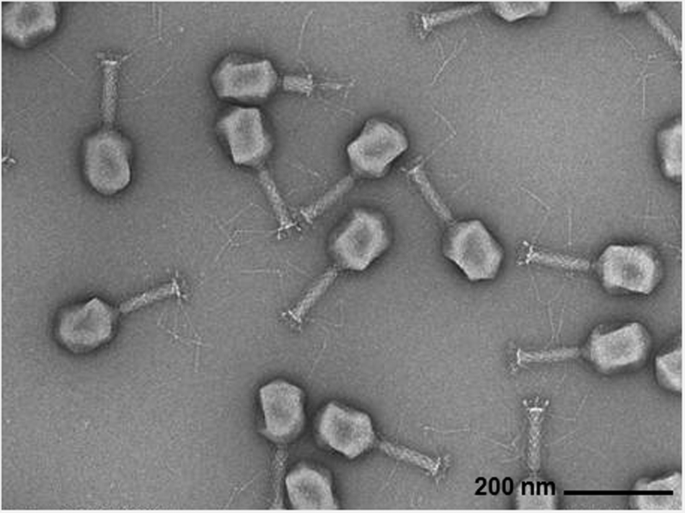
some pictures
Feeling adventurous?
Start again!